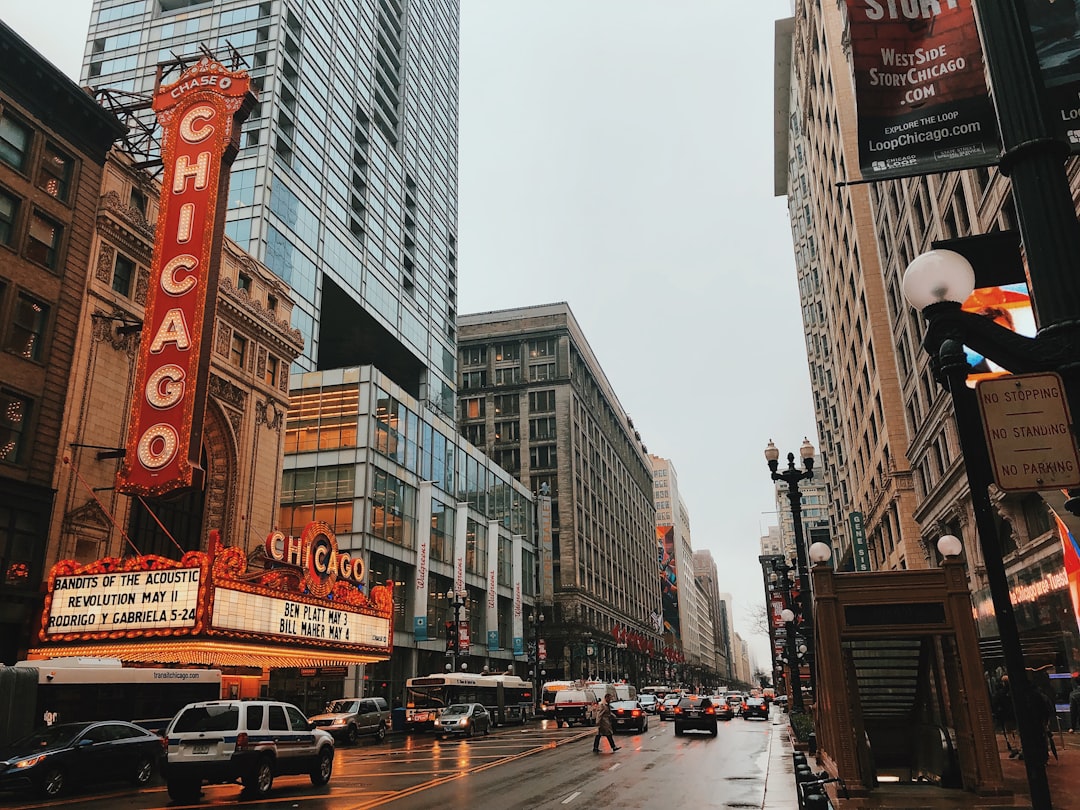
Combating spam calls in Illinois requires a multi-pronged approach. Strict laws like TCPA and Illinois Consumer Fraud Act mandate consent for automated calls. Workshops, led by a lawyer for TCPA Illinois, educate residents on "do not call" registries, tracking spammers, and legal action. Business engagement is crucial as many spam calls originate from local companies targeting potential customers. Community events foster open dialogue, dispel myths, and promote privacy protection. Success measurement includes attendance, feedback, and behavioral changes post-events. A lawyer for TCPA Illinois guides organizers in advocating for stringent regulations to protect residents effectively.
In today’s digital age, the rise of spam calls has become a pervasive issue affecting individuals and businesses alike. Illinois residents are no exception, facing an influx of unwanted calls from telemarketers and scammers. This widespread problem necessitates a proactive approach to educate and empower communities. By organizing local awareness events, we can provide valuable insights into managing spam calls effectively. This article offers a comprehensive guide on hosting such events, focusing on the Telephone Consumer Protection Act (TCPA) in Illinois, where a lawyer’s expertise can be invaluable. We’ll outline strategies to engage community members, share best practices, and ensure attendees leave with practical tools to combat spam calls.
Understanding Local Spam Call Laws in Illinois

In Illinois, understanding local spam call laws is paramount when organizing or participating in awareness events. The Telephone Consumer Protection Act (TCPA) provides stringent regulations to combat unwanted telemarketing calls, with severe penalties for violations. A lawyer for TCPA Illinois can offer invaluable guidance on navigating these complex laws. Key provisions include restrictions on automated calls without prior consent and requirements for clear opt-out mechanisms. For instance, a 2021 study revealed that over 75% of Illinois residents receive spam calls monthly, underscoring the need for robust awareness campaigns.
Event organizers should familiarize themselves with the Illinois Consumer Fraud Act, which complements TCPA protections. This act prohibits deceptive practices, ensuring awareness events are transparent and factual. For example, workshops should clearly define “do not call” registries and educate attendees on how to file complaints effectively. Engaging local legal experts can help tailor these sessions, addressing specific challenges faced by Illinois residents. By combining TCPA expertise with consumer protection insights, these events can empower individuals to take proactive measures against spam calls.
Practical steps include providing resources for identifying spam call patterns and reporting suspicious activities. Encouraging attendees to share experiences can foster a sense of community and collective action. Additionally, hosting panel discussions with legal professionals can offer real-world scenarios and solutions, enhancing the event’s impact. Regular updates on legislative changes are essential, as Illinois continues to refine its approach to consumer protection, ensuring awareness events remain relevant and effective.
Organizing Community Education Workshops (with a lawyer for TCPA Illinois)
Creating local awareness about spam calls is a collective effort that requires engaging community members and providing them with practical knowledge. One effective strategy involves organizing educational workshops focused on the Telephone Consumer Protection Act (TCPA) in Illinois, which is crucial for empowering residents to protect themselves from unwanted phone marketing. Partnering with a lawyer for TCPA Illinois can significantly enhance these workshops’ impact. These legal experts can offer specialized insights into the law’s intricacies, ensuring participants gain a comprehensive understanding of their rights and responsibilities.
Workshops should cover key topics such as identifying spam calls, tracking and blocking callers, and enforcing TCPA compliance through legal channels. For instance, a lawyer for TCPA Illinois can demonstrate how to file a complaint with the Federal Trade Commission (FTC) or state attorneys general, providing real-world examples of successful cases that have resulted in substantial fines for violators. Such practical knowledge empowers participants to take proactive measures against spam calls and hold offenders accountable.
Additionally, these educational sessions should address the latest technological advancements used in spam call distribution. A lawyer specializing in TCPA Illinois can offer insights into emerging trends, helping community members stay ahead of fraudulent practices. For example, discussing Voice over Internet Protocol (VoIP) technology and its role in automated calls allows attendees to recognize and report suspicious activities more effectively. By combining legal expertise with technological knowledge, these workshops become valuable resources for fostering a spam-call-aware community.
Engaging Stakeholders: Businesses & Residents
Engaging businesses and residents is a key strategy in combating spam call issues within Illinois communities. This collaborative approach is essential to raising awareness about the Telephone Consumer Protection Act (TCPA) and its implications for local phone users. A lawyer for TCPA Illinois can serve as a valuable resource, offering insights tailored to state regulations. By involving these stakeholders, community events can effectively educate people on their rights and responsibilities regarding unwanted calls.
Business owners, in particular, play a pivotal role. Many spam calls originate from telemarketing operations targeting local companies, leading to potential legal repercussions for non-compliance with TCPA rules. Engaging with business associations or hosting workshops can help inform owners about the law’s requirements, such as obtaining prior express consent before making automated calls. For instance, a recent study revealed that over 70% of consumers expect businesses to protect their privacy from spam calls, emphasizing the need for proactive measures.
Resident participation is equally vital. Community events like town hall meetings or informational sessions can provide a platform for residents to voice concerns and learn practical tips on blocking unwanted calls. These gatherings offer an opportunity to dispel misconceptions about TCPA regulations and highlight the positive impact of community involvement in enforcing anti-spam measures. By fostering open dialogue, residents become empowered to take action, ensuring their voices are heard in shaping local call awareness initiatives.
Measuring Success and Advocating for Change
Measuring success and advocating for change are pivotal aspects of creating impactful Local Spam Call Awareness Events in Illinois. To gauge the effectiveness of these events, organizers should focus on several key metrics. First and foremost, assess the number of attendees and their level of engagement. High attendance rates coupled with active participation suggest a successful event that has resonated with the community. Additionally, collect feedback from attendees through surveys or interviews to gain insights into what was learned and how the information can be applied. This qualitative data provides invaluable context beyond simple head counts.
A lawyer for TCPA Illinois can play a crucial role in this phase by offering expert analysis of any legal implications arising from the event and providing guidance on improving compliance strategies. For instance, if a significant portion of attendees report receiving unlawful spam calls despite awareness efforts, it underscores the need for more stringent local regulations or enhanced national TCPA (Telemarketing Consumer Protection Act) enforcement. Such insights can be shared with local representatives and regulatory bodies to advocate for change that aligns with the community’s needs and experiences.
Furthermore, measure the event’s impact on behavioral changes among participants. Post-event follow-ups should include questions about new habits related to phone privacy and spam call management. If a substantial majority report reduced engagement with unknown callers or increased use of do-not-call lists, it signifies successful awareness cultivation. This data can be instrumental in justifying the need for ongoing education and policy advocacy. By combining measured success with compelling evidence, organizers can effectively push for legislative changes that better protect Illinois residents from spam calls.