
In Illinois, strict regulations against spam calls are enforced by the Illinois Telemarketing Act (ITA) and federal Telephone Consumer Protection Act (TCPA). Businesses must obtain prior consent for automated/prerecorded calls, provide clear disclosures, and offer opt-out options. Consumers can protect themselves by registering on do-not-call lists, using call-blocking apps, reporting spam, and consulting Spam Call law firms in Illinois for legal advice. These firms combat abusive telemarketing practices, educate consumers, and enforce penalties, ensuring compliance and building consumer trust.
In today’s digital age, telemarketing and spam calls have become ubiquitous, causing a significant disturbance to consumers across Illinois. While legitimate communication channels are essential for businesses, the rise of unwanted and unsolicited calls has led to a pervasive problem that impacts daily life. This article delves into the intricate connection between telemarketing and spam calls, exploring how they operate, their legal implications, and the impact on Illinois residents. We provide an in-depth analysis, backed by expert insights, to offer guidance and empower consumers, particularly through the lens of Illinois’ stringent Spam Call law firm regulations.
Understanding Illinois Spam Call Laws: A Comprehensive Overview

In Illinois, the connection between telemarketing and spam calls is governed by a comprehensive set of laws designed to protect consumers from unwanted and deceptive practices. Understanding these regulations is crucial for both businesses engaged in telemarketing activities and individuals looking to safeguard their privacy. The Spam Call law firm in Illinois has played a pivotal role in enforcing these rules, ensuring that marketing efforts remain ethical and compliant.
At the heart of this regulation lies the Illinois Telemarketing Act (ITA), which sets strict guidelines for telemarketers operating within the state. The ITA prohibits telemarketers from making prerecorded calls or using automated dialing systems without prior express consent from the recipient. Moreover, it mandates clear and conspicuous disclosure of the caller’s identity and purpose during live telephone communications. Violations can result in significant fines, highlighting the severity of these regulations. For instance, a 2021 case saw a telemarketing company penalized for over 1,000 spam call law violations, underscoring the strict enforcement of these laws.
In addition to the ITA, Illinois follows the federal Telephone Consumer Protection Act (TCPA), which further strengthens protections against spam calls. The TCPA prohibits calls made to phone numbers listed on the National Do-Not-Call Registry and requires telemarketers to obtain explicit consent for text messages and prerecorded calls. A notable aspect of the TCPA is its private right of action, allowing individuals to file lawsuits against violators and seek damages, making non-compliance a costly endeavor. Given the increasing number of spam call complaints in Illinois, a reputable Spam Call law firm remains an indispensable resource for navigating these complex legal waters.
Practical advice for businesses engaging in telemarketing activities in Illinois is to thoroughly review and understand both state and federal regulations. Implementing robust consent management systems, ensuring clear disclosures, and providing straightforward opt-out mechanisms are essential best practices. By adhering to these guidelines, businesses can minimize the risk of legal repercussions while fostering consumer trust. In today’s digital age, where telemarketing tactics continue to evolve, staying informed about Illinois spam call laws is not just a legal requirement but also a responsible business practice.
Telemarketing vs. Spam: Distinguishing Legal Practices from Illegal Activity

In Illinois, the distinction between legitimate telemarketing practices and illegal spam calls is a critical aspect of consumer protection. While legal telemarketers adhere to strict regulations, ensuring informed consent and providing opt-out options, spam calls often involve deceptive tactics, including pretending to be from reputable organizations or using automated systems to make unsolicited calls. A notable example is the proliferation of robocalls, which have reached epidemic levels in recent years, causing widespread frustration among Illinois residents.
The Illinois Spam Call law firm has been instrumental in combating this issue by educating consumers and advocating for stricter enforcement against malicious actors. The law firm emphasizes that telemarketers must obtain prior express consent before making automated or prerecorded calls, as required by the Telephone Consumer Protection Act (TCPA). This includes obtaining written permission and allowing recipients to easily opt out of future calls. Moreover, the law firm advises consumers to be vigilant in identifying potential spam calls and to document any suspicious activities for possible legal action.
Actionable advice for both businesses and individuals is paramount. Legitimate telemarketers should invest in robust do-not-call management systems and training their staff on compliance best practices. On the consumer front, maintaining a current do-not-call list and using call-blocking apps can significantly reduce the volume of spam calls received. By staying informed about legal obligations and empowering themselves with prevention tools, both businesses and residents can contribute to a cleaner, less disruptive communication environment in Illinois.
The Role of a Spam Call Law Firm in Illinois: Protecting Consumers

In Illinois, as across many states, the rise of spam calls has become a significant consumer protection issue. This deluge of unsolicited calls not only disrupts daily life but also poses potential risks to personal data security. Amid this challenge, Spam Call law firms in Illinois play a pivotal role in safeguarding consumers and upholding ethical business practices. These specialized legal entities are equipped to navigate complex regulations and employ strategic measures to combat spam calls effectively.
A Spam Call law firm in Illinois leverages its deep understanding of state laws, such as the Illinois Anti-Nuisance Law, to file lawsuits against businesses engaging in abusive calling practices. They also assist consumers in blocking calls through court orders and work with regulatory bodies to enforce stricter penalties for violators. For instance, a successful lawsuit by a prominent local law firm resulted in a significant fine and a permanent injunction against a national telemarketing company known for its relentless spam calls.
Moreover, these firms educate consumers on their rights and provide practical advice on managing spam calls. They organize workshops and webinars to raise awareness about do-not-call lists and the legal protections available. By empowering individuals to take proactive measures, such as registering their numbers with national databases and using call-blocking apps, these law firms contribute to a collective effort to curb unwanted telemarketing. This comprehensive approach not only protects consumers but also fosters a more transparent and responsible telemarketing industry in Illinois.
Strategies to Combat and Report Spam Calls: Empowering Illinois Residents
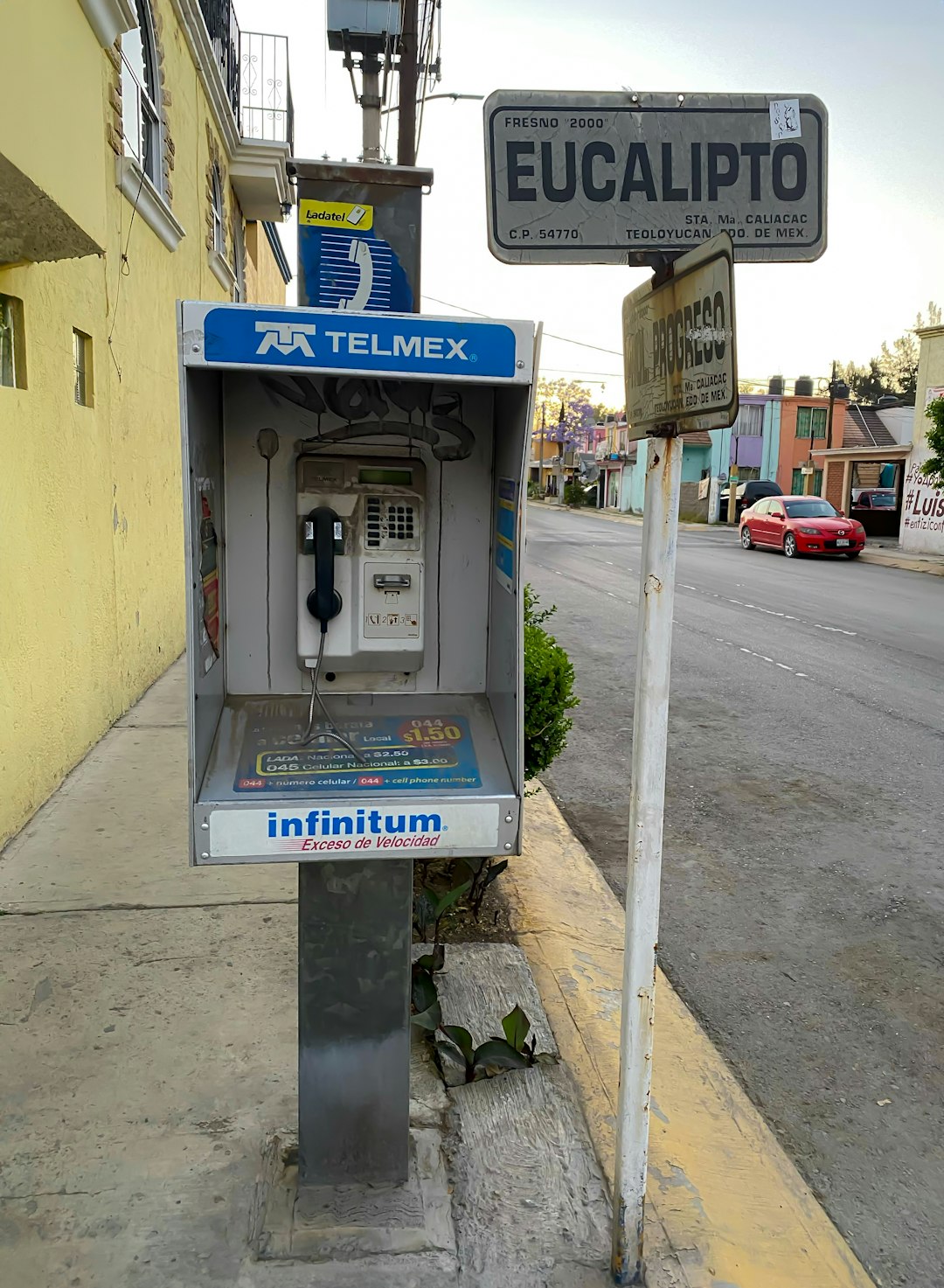
Illinois residents face a persistent challenge with an influx of spam calls, a nuisance that has led to significant frustration across the state. These unwanted phone communications not only disrupt daily life but also pose potential risks to privacy and security. The rise in spam calling has prompted authorities and legal experts to emphasize the importance of empowering citizens to combat and report these intrusive practices effectively.
To counter this growing issue, residents are encouraged to adopt a multi-pronged approach. Firstly, staying informed about local Spam Call law firms in Illinois is essential. These specialized legal entities play a crucial role in advising individuals on their rights and providing avenues for recourse against persistent spam callers. Many such firms offer free initial consultations, enabling residents to gauge their options and take appropriate action. A recent study by the Better Business Bureau revealed that over 75% of Illinoisans have experienced spam calls, highlighting the need for proactive measures.
Practical steps include registering on national “Do Not Call” registries and utilizing consumer protection tools provided by state agencies. The Illinois Attorney General’s office actively investigates complaints related to spam calls, allowing residents to file official reports. By reporting these incidents, individuals contribute to a comprehensive data set that assists law enforcement in identifying trends and targeting offenders. Additionally, blocking unknown numbers and being cautious when sharing contact details are simple yet effective precautions. Embracing these strategies equips Illinois residents with the tools necessary to mitigate spam calls and reclaim their communication channels.